Before You Give Up on Your Erections
7 Often-Overlooked Factors That May Be Affecting Your Erections
— A Free Guide by Dr. Lance Frank PT, DPT, MPH —
Men's Pelvic Health Physical Therapist • Helping Men Overcome Pelvic Pain & Sexual Dysfunction
Welcome
If you're reading this, you're probably looking for answers.
Maybe your erections aren't as reliable as they used to be. Maybe you've tried medication, had your testosterone checked, or spent hours searching online for solutions.
The truth is, erectile dysfunction is rarely caused by a single problem.
An erection depends on healthy communication between your brain, nervous system, blood vessels, hormones, pelvic floor muscles, and cardiovascular system. If one—or several—of these systems isn't working as well as it should, erectile dysfunction can occur.
While this guide isn't meant to diagnose or treat ED, my goal is to introduce you to several factors that are often overlooked—especially one that many men have never heard about: the pelvic floor.
1. Don't Overlook Your Pelvic Floor
Most men have never been told they even have a pelvic floor.
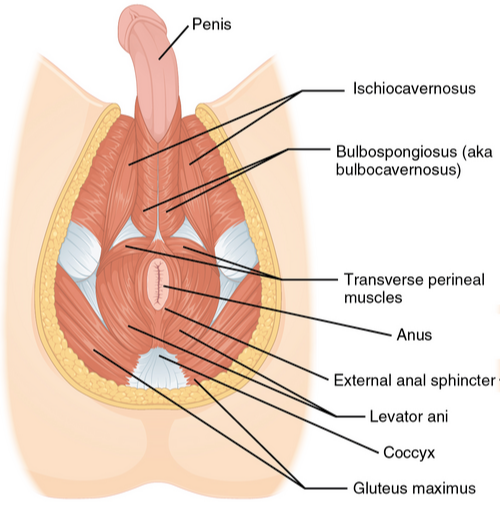
Your pelvic floor is a group of muscles that sits at the bottom of your pelvis. These muscles help support your bladder and bowel, coordinate urination and bowel movements, contribute to ejaculation and orgasm, and play an important role in maintaining erections by helping compress the veins that help keep blood trapped inside the penis.
Like any other muscle in the body, the pelvic floor can become weak, overly tense, poorly coordinated, or simply not function the way it's intended to.
In my clinic, it's common to meet men with erectile dysfunction who also experience symptoms such as:
- Pelvic pain
- Painful ejaculation
- Urinary urgency or frequency
- Constipation
- Tailbone pain
- Perineal discomfort
- Difficulty relaxing the pelvic floor
These symptoms don't necessarily mean your pelvic floor is the sole cause of your erectile dysfunction, but they can be important clues that it's contributing.
For many men, improving pelvic floor mobility, breathing mechanics, and muscle coordination becomes an important piece of the puzzle.
What About Kegels?
One of the most common misconceptions I hear is that every man with erectile dysfunction should start doing Kegel exercises.
The reality is, it depends.
Research has shown that pelvic floor muscle training can improve erectile function for some men—particularly those with weakness or poor muscle endurance.
However, if your pelvic floor is already overactive, tight, or unable to fully relax, adding more contractions may actually increase muscle tension and aggravate symptoms.
In fact, many of the men I see in the clinic have already been doing Kegels every day without realizing their pelvic floor is already working overtime.
If you also experience pelvic pain, urinary symptoms, constipation, painful ejaculation, or a constant feeling of tension, your pelvic floor may first benefit from improving its ability to relax and coordinate before focusing on strengthening.
The goal isn't simply a stronger pelvic floor—it's a better-functioning one. Like any muscle in the body, the pelvic floor should be able to both contract and fully relax.
2. Stress and Performance Anxiety Can Create a Cycle
An erection isn't something you can force.
It's something your body allows.
Healthy erections depend on activation of your parasympathetic ("rest and digest") nervous system. This state allows blood vessels to dilate, the pelvic floor to coordinate appropriately, and the body to respond to sexual stimulation.
Stress has the opposite effect.
When your brain perceives stress—whether it's work, relationships, lack of sleep, or worrying about your performance during sex—it activates your sympathetic ("fight or flight") nervous system.
Your breathing changes.
Your heart rate increases.
Muscle tension rises.
Your pelvic floor often becomes more guarded.
And getting or maintaining an erection becomes more difficult.
For many men, one episode of erectile dysfunction leads to worrying that it will happen again. That performance anxiety alone can create a self-perpetuating cycle:
ED → Anxiety → More ED → More Anxiety
Breaking that cycle often requires addressing both the physical and psychological contributors—not simply trying harder.
3. Blood Flow Matters
An erection is ultimately a blood flow event.
Healthy arteries need to deliver blood into the penis, and healthy pelvic floor muscles help reduce venous outflow so that blood stays there long enough to maintain an erection.
Because the penile arteries are relatively small, erectile dysfunction can sometimes be one of the earliest signs of underlying vascular disease.
Protecting your cardiovascular health supports your erections too.
Simple habits like regular exercise, maintaining a healthy blood pressure, managing cholesterol and blood sugar, avoiding smoking, and staying physically active all contribute to healthier blood vessels.
What's good for your heart is usually good for your erections.
4. Sleep Is More Powerful Than Most Men Realize
Sleep affects nearly every system involved in sexual function.
Poor sleep can contribute to:
- Reduced testosterone production
- Increased stress hormones
- Fatigue
- Lower libido
- Reduced physical recovery
If you consistently sleep fewer than 7 hours per night or suspect you may have sleep apnea, improving your sleep may have benefits that extend far beyond your energy levels.
5. Hormones Are One Piece of the Puzzle
Low testosterone can contribute to erectile dysfunction, reduced libido, fatigue, and decreased muscle mass.
But normal testosterone levels don't guarantee normal erections.
Many men with normal hormone levels still experience erectile dysfunction because other systems—including blood flow, pelvic floor function, sleep, stress, medications, or cardiovascular health—are playing a larger role.
Looking at the whole picture is usually more helpful than focusing on a single lab value.
6. Review Your Medications
Certain medications may contribute to erectile dysfunction.
Examples include some antidepressants, blood pressure medications, opioids, and other prescription medications.
Never stop taking a medication without speaking to the healthcare professional who prescribed it.
If you suspect a medication may be contributing to your symptoms, ask whether there are alternative options that may be appropriate for you.
7. Know When to Seek Help
Persistent erectile dysfunction deserves a proper evaluation.
Sometimes ED is primarily related to vascular health.
Sometimes it's hormonal.
Sometimes it's neurological.
Sometimes it's psychological.
And sometimes the pelvic floor is an important piece that's been overlooked.
The goal isn't simply to restore erections—it's to understand why they're happening in the first place so you can choose the most appropriate treatment.
Final Thoughts
If you've been struggling with erectile dysfunction, know that you're not alone—and you're certainly not out of options.
The most effective approach is often one that looks beyond a single cause and considers how your body is functioning as a whole.
For many men, that includes paying attention to the pelvic floor, nervous system, breathing mechanics, stress levels, and movement patterns in addition to the more commonly discussed factors like blood flow and hormones.
Small changes, when combined, can make a meaningful difference.
Want to Learn More?
If this guide made you realize that your pelvic floor may be playing a bigger role than you thought, The Pelvic Reset was created for you.
Inside the program, I'll teach you the same principles I use every day in the clinic to help men improve pelvic floor mobility, reduce unnecessary muscle tension, improve breathing mechanics, and build healthier movement patterns.
Whether you're experiencing erectile dysfunction, pelvic pain, urinary symptoms, or several of these concerns together, The Pelvic Reset provides a structured, step-by-step plan you can follow from home.
READY TO GET STARTED?
© Dr. Lance Frank, DPT · questions? Email hello@lanceinyourpants.com